
Puanga–Matariki Insights Series Concludes with Whānau Voice Report on Stroke and Gout
Kua mutu te Raupapa Rangahau o Puanga me Matariki, kua tāia te Pūrongo Reo Whānau mō te Mate Ikura Roro me te Mate Porohau
Kua mahi tahi te Poari Hauora o Āti Awa Toa ki a Stroke Aotearoa me Mateponapona Aotearoa kia mārama ake ki te pānga o te mate ikura roro me te mate porohau ki ngā whānau, ki ngā momo ratonga, tautoko hoki hei āwhina i a rātau. Nō muri mai i te rangahau tuihono e 6 wiki te roa i te tīmatanga o te tau, i kohikohi mātau i ngā wheako a ngā whānau Māori i te Te Whanga-nui-a-Tara (Pōneke/Porirua/Kapiti/Te Awakairangi).
Nā ngā mahi nei kua tāia tētahi pūrongo ko WHĀNAU VOICE: Whānau Māori experiences of stroke and gout across the Wellington rohe1. Ka whakaterehia tēnei pūrongo i te rā nei, koia ko te pūrongo tuatoru i te Raupapa Rangahau a te Poari Hauora o Āti Awa Toa o Puanga me Matariki mō 2026. Ka titiro te pūrongo nei ki ngā wheako a ngā whānau e ora ana me te mate ikura roro, te mate porohau puta noa i Te Whanga-nui-a-Tara, ka tohu hoki i ngā huarahi hei whakapaipai i ngā mahi aukati, maimoa, ngā hua mauroa, me te aro ki ngā ōritengakore e rongo ana a Ngāi Māori.
Hei tā te Manahautū o te Poari Hauora o Āti Awa Toa, hei tā Hikitia Ropata “Kitea ana i tēnei kaupapa te kaha o te mahi rangapū ki waenga i te Poari Hauora o Āti Awa Toa, i a Stroke Aotearoa me Mateponapona Aotearoa, e mahi tahi ana ki te hāpai i te reo o te whānau. Ko te pūrongo whakamutunga tēnei i tā mātau Raupapa Rangahau o Puanga me Matariki, ka whakamahara i a tātau ko te whakarongo ki te whānau te hātepe tuatahi noa iho nei. Kei te whai haepapa mātau ināianei ki te whakarite ka tārai ngā reo nei i ngā mahi whakamāherehere, tuku pūtea hoki me ngā ratonga hei tautoko i ngā anamata waiora mā ngā whānau puta noa i te rohe.”
E kī ana te kaihautu o Stroke Aotearoa, ko Jo Lambert “Ko te mahinga tahi nei ki waenga i a Stroke Aotearoa, te Poari Hauora o Āti Awa Toa me Mateponapona Aotearoa kua whakamiramira i ngā āputa ā-pūnaha e whai pānga ana ki ngā hua hauora a ngā tāngata i muri i te mate ikura roro, i te mate porohau me ō rātau whānau anō hoki. Ka whakamiramira ngā kitenga nei i ngā wāhi ka taea e te pūnaha te whakapaipai āna mahi, me pēnei ka tika, heoi mā te mahi tahi ka taea te tautoko ngā huarahi me ngā hua whai oritetanga hei whakahaere i ēnei mate mau-roa.”
Hei tā te kaihautu o Mateponapona Aotearoa, hei tā Philip Kearney “Ka whakatauira mai tēnei i ngā mahi ka taea ki waenga i ngā iwi, ngā whakahaere hapori me ngā hoa rangapū hauora ina ka mahi i runga i te whakaaro kotahi ki te hāpai i te ōritetanga me te hauora whānau. Mā te āta mahi rangapū, mā te whakatairanga i ngā reo o ngā whānau, ka mārama ake tātau ki ngā taiapa kei mua i te tangata, ka taea te mahi tahi ki te tautoko i ngā hua hauora, waiora hoki mō ngā whakatipuranga e heke mai ana.”
Puanga–Matariki Insights Series Concludes with Whānau Voice Report on Stroke and Gout
Āti Awa Toa Hauora Partnership Board has partnered with Stroke Aotearoa and Arthritis NZ Mateponapona Aotearoa to better understand how stroke and gout affect whānau and what services and support would help. Following an online survey that ran for 6 weeks at the beginning of the year, we gathered experience from whanau Māori in the Wellington rohe (Pōneke/ Porirua/ Kāpiti/ Te Awakairangi).
This mahi has resulted in a report called WHĀNAU VOICE: Whānau Māori experiences of stroke and gout across the Wellington rohe. This report is being launched today and is the 3rd report in Āti Awa Toa Hauora Partnership Board’s Puanga-Matariki Insights Series 2026. The report examines the experiences of whānau living with stroke and gout throughout the Wellington region, identifying opportunities to improve prevention, treatment and long-term outcomes while addressing persistent inequities experienced by Māori.
Āti Awa Toa Hauora Partnership Board Manahautū, Hikitia Ropata says “This kaupapa demonstrates the strength of partnership between Āti Awa Toa Hauora Partnership Board, Stroke Aotearoa and Arthritis NZ Mateponapona, working together to elevate whānau voice. As the final report in our Puanga–Matariki Insights Series, it reminds us that listening to whānau is only the first step. Our responsibility now is to ensure those voices shape planning, investment and the services that support healthier futures for whānau across our rohe.”
Stroke Aotearoa CE/kaihautu Jo Lambert says “This collaboration between Stroke Aotearoa, Āti Awa Toa Hauora Partnership Board and Arthritis New Zealand has shone a spotlight on systemic gaps which impact health outcomes for people managing their life after stroke and / or with arthritis, as well as their whānau. These insights highlight where the system could and should be doing better, and by working collectively our organisations can support equitable pathways and outcomes for the management of these long-term conditions.”
Arthritis NZ Mateponapona Aotearoa CE/kaihautu Philip Kearney says “This kaupapa demonstrates what is possible between iwi, community organisations and health partners when we come together with a shared commitment to equity and whānau wellbeing. Through authentic partnership and by elevating the voices of whānau, we can better understand the barriers people face and work collectively to support health and wellbeing outcomes for future generations.”

Puanga–Matariki Insights Series 2026 - New Framework Explores How IMPBs Can Protect Whānau Voice and Strengthen Māori Data Sovereignty
A new framework developed in partnership with Iwi Māori Partnership Boards (IMPBs) is encouraging kōrero about how whānau voice can be protected, governed and used in ways that uphold tikanga Māori, Māori data sovereignty and tino rangatiratanga.
The report is the second release in the Āti Awa Toa Hauora Partnership Board’s, Puanga–Matariki Insights Series 2026: a collection of reports reflecting the journey from listening to whānau, understanding aspirations and identifying actions that will improve hauora outcomes. Released between Puanga and Matariki, the series reflects this season of preparation, reflection and setting direction for the future.
Te Māra o Hine-Raraunga, explores how IMPBs can safely collect, store and use whānau voice information while ensuring whānau retain meaningful influence over decisions affecting their data.
Whānau voice includes the stories, experiences, reflections and insights shared through hui, wānanga, surveys, interviews, artwork, waiata and other forms of expression.
Āti Awa Toa Hauora Partnership Board Manahautū, Hikitia Ropata, says the kaupapa is fundamentally about trust.
“Whānau share their experiences with us because they want their voices heard and their realities influencing decisions affecting their wellbeing. This creates a responsibility to ensure their shared stories are protected and treated with care.”
The project found that while many commonly used digital platforms provide practical solutions, they may not always align with aspirations for long-term governance, control, and stewardship of data.
Rather than focusing solely on technology, Te Māra o Hine-Raraunga asks a broader question: who ultimately controls whānau kōrero once it enters digital systems?
The framework proposes a sovereignty-first approach that prioritises governance, trust and local control while recognising the practical realities and resource constraints facing organisations today.
“This is not simply an IT discussion,” Ms Ropata said.
“It is a korero about protecting the mana of whānau kōrero, maintaining trust, and ensuring future generations retain meaningful influence over their data and stories.”
As the Puanga–Matariki season invites communities to reflect on the past, understand the present and shape the future, Ms Ropata said the reports help strengthen decision-making grounded in whānau voice.
“As we mark the Puanga–Matariki season, we are releasing a series of reports that elevate the voices of whānau, inform future investment, and support better health outcomes for our communities. Together, these reports help shape our priorities for the year ahead.”
The framework was developed by Nicholson Consulting and Catalyst IT in partnership with Āti Awa Toa Hauora Partnership Board and Manatū Hauora. It is intended as a starting point for discussion and future collaboration across IMPBs nationally.
Rather than prescribing a single solution, the report provides a roadmap for exploring approaches that strengthen Māori governance, capability and digital tino rangatiratanga over time.
ENDS
Or you can read the report online below:
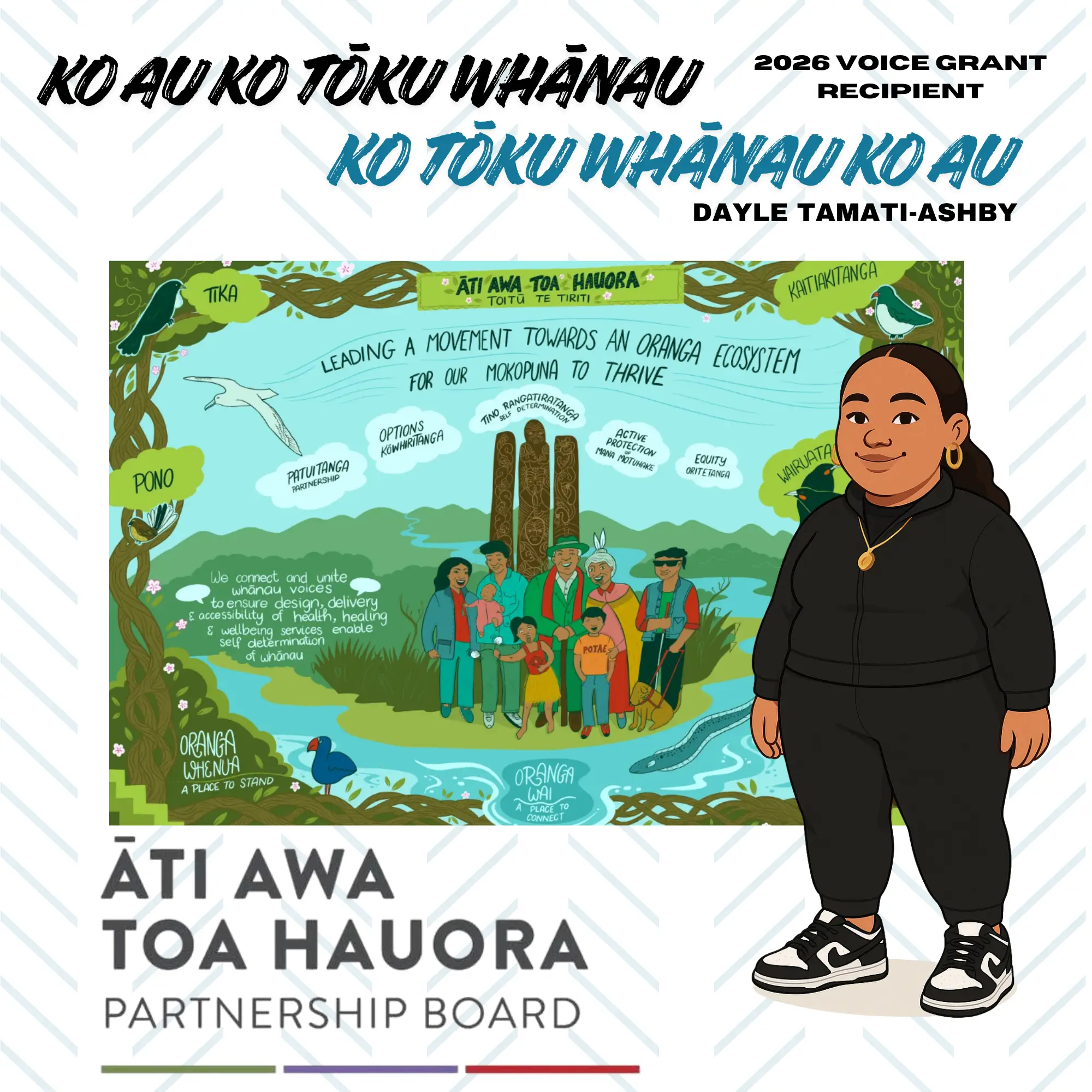
Puanga–Matariki Insights Series: Whānau Voice Grants Unlock Community-Led Hauora Solutions Across the Rohe
2 July 2026
As part of the Puanga–Matariki Insights Series 2026, the Āti Awa Toa Hauora Partnership Board is proud to announce the recipients of the first round of its Whānau Voice Grants, supporting three community-led initiatives that place whānau aspirations, lived experience, and mātauranga Māori at the heart of improving hauora across the rohe.
Beginning from 1 July 2026, the successful kaupapa span diabetes prevention, obesity prevention, and the continuum of cancer care. Together, they reflect the strength of locally led solutions and the knowledge that already exists within whānau and communities.
“Whānau Voice Grants recognise enduring solutions to improving hauora come from within communities. By investing in kaupapa that are whānau-led, the grants support local leadership, innovation, and lived experience to shape healthier futures,” said Āti Awa Toa Hauora Partnership Board manahautū, Hikitia Ropata.
The three successful Whānau Voice Grant initiatives are:
Matimati Makaurangi: Toi Rongoā – Art Healing Fingerprints
He Kai kei aku ringa
Ko Au Ko Tōku Whānau, Ko Tōku Whānau Ko Au
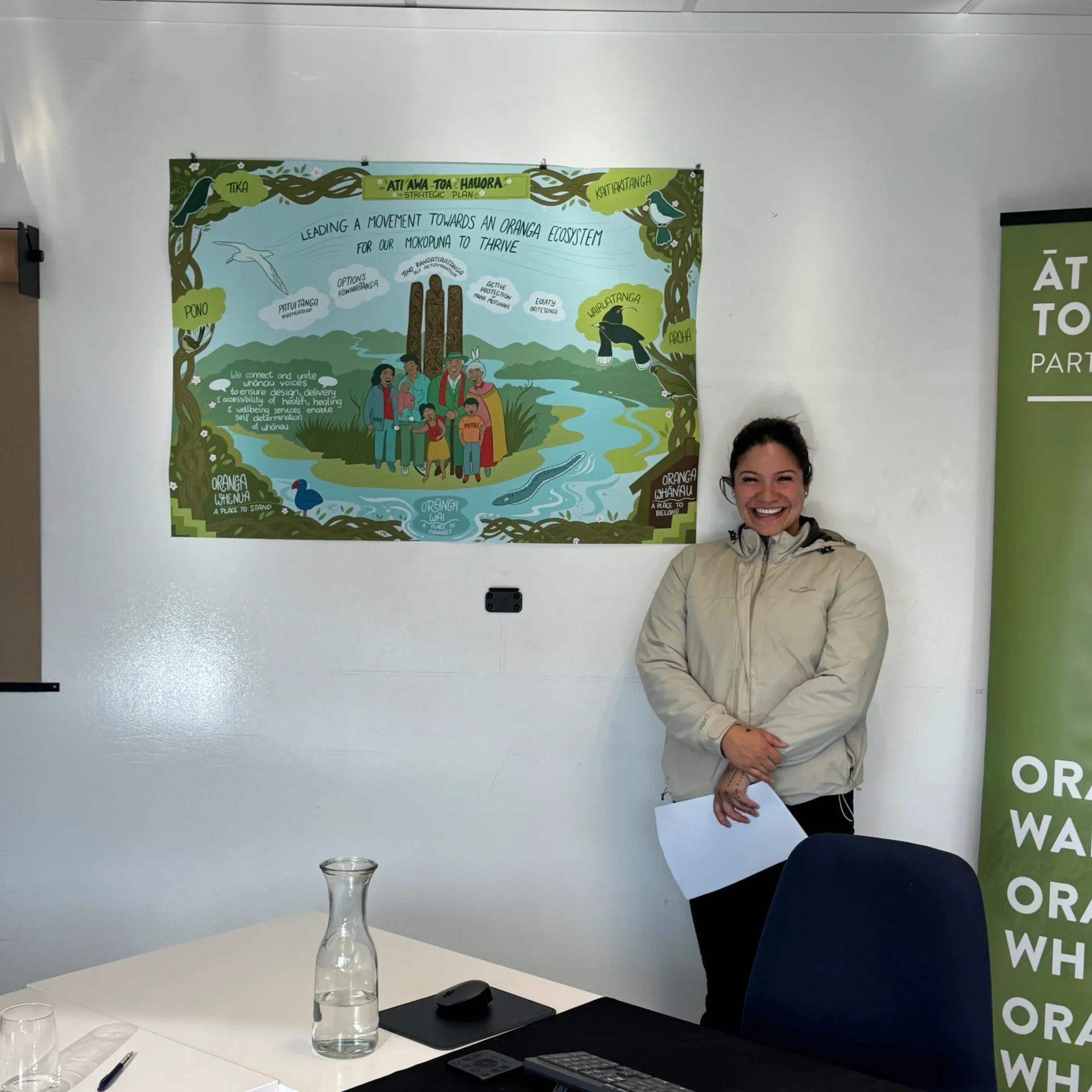
Matimati Makaurangi: Toi Rongoā – Art Healing Fingerprints
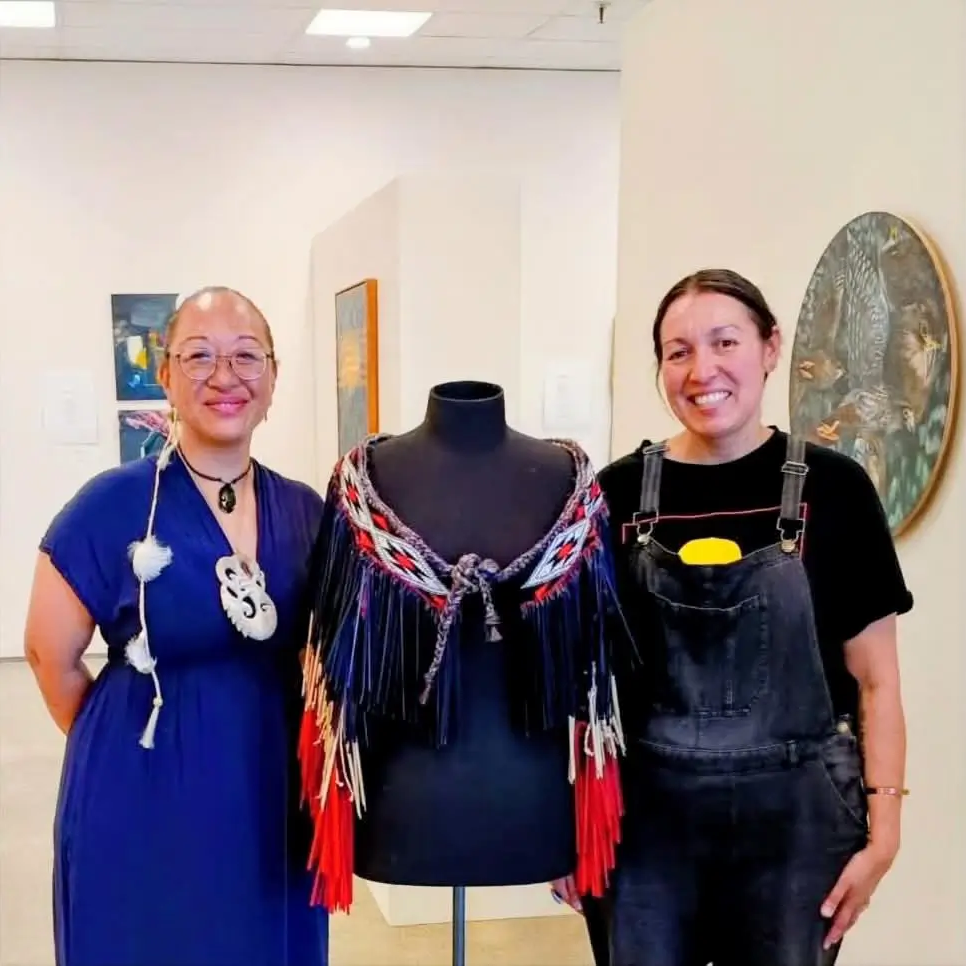
Delivered under the Kōkiri Marae Keriana Olsen Trust, this collaborative kaupapa supports the mahi of the Mana Wāhine Te Mauri cancer support group. Through raranga, toi kupu, contemporary movement, and rongoā Māori, it creates culturally safe healing spaces for whānau navigating cancer.
Operating across community locations in Te Awakairangi and Porirua, the kaupapa provides interactive wānanga that strengthen hauora, support healing journeys, and create opportunities for participants to share their experiences in ways that uphold mana. The insights gathered will help inform more culturally responsive cancer support services.
He Kai kei aku ringa
This kaupapa Māori programme delivers approximately nine wānanga over 12 weeks, engaging local Māori participants through māra kai and the moana as living classrooms.
Participants learn to grow, gather, prepare, and understand kai through tikanga-led gardening, sustainable kai moana practices, and nutrition wānanga. Grounded in mātauranga Māori and kaitiakitanga, the kaupapa strengthens relationships with healthy kai, builds practical skills to support obesity and diabetes prevention, and enhances hauora through whānau-centred learning.
Ko Au Ko Tōku Whānau, Ko Tōku Whānau Ko Au
This whānau-led cancer wellbeing project runs over approximately nine weeks and supports up to 12 whānau across rangatahi, pākeke, and kaumātua.
Through filmed one-on-one kōrero, mana-enhancing portrait photography, and whenua-based storytelling, the kaupapa centres whānau as knowledge holders and honours lived experiences of cancer across diagnosis, treatment, survivorship, caregiving, and loss.
The project concludes with a collective whānau gathering where stories and portraits are returned as taonga. Grounded in tikanga Māori, whakapapa, and rangatiratanga, the initiative supports healing, reduces whakamā around cancer kōrero, and provides authentic whānau-led insights to help shape more culturally responsive cancer support and future hauora planning.
Together, these three initiatives demonstrate the power of whānau voice in action, showing how community leadership, mātauranga Māori, and lived experience can help shape healthier futures for whānau across the rohe.
ENDS
For more information: https://atiawatoaimpb.nz
Puanga–Matariki Insights Series Highlights Whānau Voice, Community and Health Equity
Puanga–Matariki Insights Series Highlights Whānau Voice, Community and Health Equity
29 June 2026
As Aotearoa marks Puanga–Matariki, the Āti Awa Toa Hauora Partnership Board is launching the Puanga–Matariki Insights Series 2026 – a three-part series of reports highlighting whānau-led aspirations, solutions, and opportunities to improve health equity across the Wellington rohe.
Released across the Puanga–Matariki season, the series reflects the significance of both traditions. Reflection, preparation and setting direction for the year ahead and looking as a community to the future.
Together, the reports provide a journey from listening to whānau, investing in whānau-focused solutions, and identifying actions that will improve hauora outcomes.
Report Release Schedule
2 July
Whānau Voice Grants Report
Celebrating community-led initiatives that strengthen whānau wellbeing.
6 July
Te Māra o Hine Raraunga – Whānau Voice Data Solutions Report
Exploring how whānau voice can be better protected.
9 July
Stroke and Gout Equity Report
Produced in partnership with Stroke Aotearoa and Arthritis New Zealand (Mateponapona Aotearoa), the report examines whānau experiences of stroke and gout across the Wellington rohe and identifies opportunities to reduce inequities and improve outcomes.
Hikitia Ropata, Manahautū of the Āti Awa Toa Hauora Partnership Board, says the series reflects the Board’s commitment to ensuring whānau voice is central to health system planning and investment.
“Puanga and Matariki invite us to reflect on the past, understand the present, and shape the future. These reports bring together the voices of whānau, evidence from our communities, and practical actions that will help improve hauora outcomes across our rohe.
“Each report builds on the next, from listening to whānau, investing in innovation, to identifying where the health system must do better. Together they provide a strong foundation for future planning and investment.”
“During this Puanga–Matariki season, we particularly remember Professor Whatarangi Winiata, a champion of tino rangatiratanga whose vision and lifelong dedication to our whānau continue to guide and inspire us.”
The Puanga–Matariki Insights Series reflects the Board’s role in amplifying whānau voice, strengthening evidence for equitable decision-making, and working alongside iwi, health partners, and communities to achieve better outcomes for Māori.
The reports will be released progressively throughout the Puanga Matariki season, with each publication contributing to a shared vision of whānau-led, equity-focused oranga across the rohe.
ENDS
Alcohol harm doesn’t stop at 1km - and neither should community voice
Alcohol harm doesn’t stop at 1km – and neither should community voice
The Āti Awa Toa Hauora Partnership Board is raising concerns about proposed alcohol law changes that could significantly restrict who is allowed to object to new liquor licences through what it describes as an arbitrary 1km rule.
Under proposed amendments to the Sale and Supply of Alcohol (Improving Alcohol Regulation) Amendment Bill, people would only be able to object to alcohol licence applications if they live, work, or own property within 1 kilometre of the proposed premises.
The Board says alcohol harm is not confined to geographic boundaries.
“Our suburbs, towns and communities are not neat 1km squares on a map. Whānau move through schools, marae, sports clubs, workplaces and shared public spaces every day,” says board chair Hikitia Ropata.
“It could mean a family living more than 1km from their child’s school or whānau marae may no longer be able to object to a bottle store opening directly opposite.”
The Board says the proposed changes ignore the wider realities communities already face.
“Our Whaitua tool already shows clear inequities across our rohe – with some communities surrounded by multiple alcohol outlets, vape stores and limited access to healthcare, while other neighbourhoods experience far greater protection and healthier environments.”
“Those conditions are not accidental. They reflect years of policy and planning decisions that shape whether tamariki grow up surrounded by healthy opportunities – or surrounded by alcohol, vaping and other harmful environments.”
The Board says many people affected by alcohol availability may no longer have a meaningful voice under the proposed changes.
“The communities most affected by alcohol harm should not have less ability to speak about licensing decisions.”
The Board says higher deprivation communities already experience disproportionate alcohol-related harm and reducing community participation risks weakening protections for communities already carrying high levels of harm.
“We acknowledge the desire to streamline licensing processes, but replacing red tape with rigid bureaucratic boundaries is not the answer.”
The Board says Local Alcohol Policies and community participation remain important tools for protecting community wellbeing and reducing harm.
“Whaitua was created so communities can better understand the environments and systems shaping their health. Restricting who can object to alcohol outlets risks reducing community voice at the very time communities are gaining better tools to advocate for their wellbeing.”
“Alcohol harm doesn’t stop at 1km – and neither should community voice.”
The Board is encouraging communities to learn more about the proposed changes and make submissions before submissions close on Thursday 14 May 2026.
Submissions can be made via the New Zealand Parliament submissions page.
For more information:
Āti Awa Toa Hauora Partnership Board
ENDS

Sale and Supply of Alcohol (Improving Alcohol Regulation) Amendment Bill
To: Justice Select Committee
From: Āti Awa Toa Hauora Partnership Board
Introduction
The Āti Awa Toa Hauora Partnership Board opposes aspects of the proposed Sale and Supply of Alcohol (Improving Alcohol Regulation) Amendment Bill, particularly changes that would significantly narrow who may object to new alcohol licence applications.
We are concerned the proposed changes risk weakening community participation, undermining Local Alcohol Policies, and reducing protections for communities already experiencing disproportionate levels of alcohol-related harm.
Key Concern: The proposed 1km rule is arbitrary and does not reflect how communities experience alcohol harm
The Bill proposes limiting objections largely to people living, working, or owning property within 1 kilometre of a proposed alcohol outlet.
A suburb, town or community is not a neat 1km square on a map.
Whānau move through schools, marae, sports clubs, workplaces and shared public spaces every day. Alcohol-related harm is experienced across wider whānau and communities, not only by people living immediately beside an outlet.
For example, the proposed changes could mean:
- a family living more than 1km from their child’s school may not be able to object to a bottle store opening opposite the school
- marae communities outside the boundary may lose their ability to object
- sports clubs, churches or community organisations affected by outlet clustering may no longer have standing
- people impacted through wider whānau networks may lose their voice in licensing decisions
Our environments help shape our health outcomes.
Our Whaitua tool demonstrates that health outcomes are shaped by the environments communities live within.
Across our rohe, some communities are already disproportionately exposed to:
- higher concentrations of alcohol outlets
- vape stores
- poorer access to healthcare and healthy infrastructure
- higher deprivation and poorer health outcomes
These conditions are not accidental. They reflect cumulative policy and planning decisions over time.
Restricting community participation in alcohol licensing decisions risks further entrenching inequities already visible through Whaitua.
Community voice remains critical
The communities most affected by alcohol harm should not have less ability to speak into licensing decisions.
Local Alcohol Policies and community participation remain important mechanisms for protecting community wellbeing and reducing alcohol-related harm.
While we acknowledge the desire to streamline licensing processes, replacing so-called red tape with rigid bureaucratic boundaries risks silencing communities already carrying disproportionate levels of harm.
Recommendations
We recommend the Committee:
remove or substantially revise the proposed 1km standing restriction
retain broad community participation rights in alcohol licensing decisions
strengthen rather than weaken Local Alcohol Policies
ensure alcohol regulation better reflects cumulative community harm and equity impacts
recognise the importance of community voice in shaping healthy environments
Conclusion
Whaitua was developed so communities can better understand the systems shaping their health and wellbeing.
Restricting who can object to alcohol outlets risks reducing community voice at the very time communities are gaining better tools to advocate for healthier futures.
Alcohol harm does not stop at 1km – and neither should community voice.
System change needed to break down barriers facing māmā and pēpi across the region - Āti Awa Toa IMPB
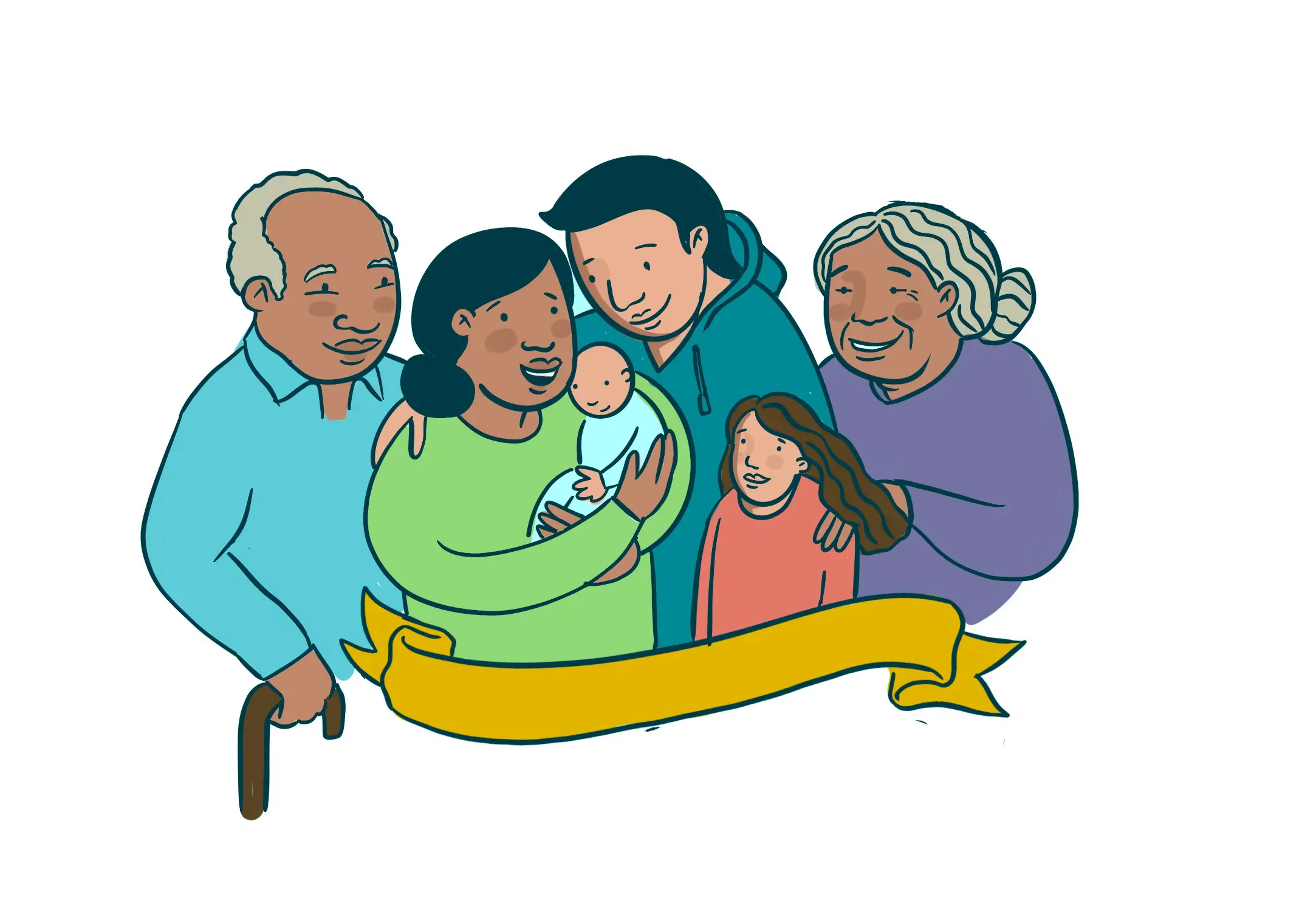
Persistent barriers facing Māori māmā and pēpi across the region highlights the urgent need for earlier, whānau-centred support. The report, Te Oranga o ngā Māmā me ngā Pēpi i tō tātou rohe 2018–2026, highlights ongoing inequities across pregnancy, birth and early life.
“This report makes clear the issue is not a lack of care from whānau but a system that is still too hard to access. We already know that when kaupapa Māori whānau-centred support is there, whānau engage and outcomes improve,” says Board Manahautū Hikitia Ropata.
Released by the Āti Awa Toa Hauora Partnership Board, with support from mana whenua iwi, the report brings together whānau voice and health and wellbeing data from 2018 to 2026 and shows where the system is falling short, and where kaupapa Māori approaches are making a difference.
“System change is needed to make sure our services work well for all families. If some families are being consistently underserved, then it’s time to change the system so it works well for all.”
“For too many Māori māmā and pēpi, getting the right support early is still an obstacle course. This report shows how delayed access to maternity care, poor or insecure housing, and low enrolment of newborn pēpi with primary care are stacking the odds against whānau from the start.”
The report shows barriers are ongoing across the journey from pregnancy through early life. For instance, in 2023, 12.9% of Māori were not enrolled with a lead maternity carer at any stage during their pregnancy. In 2024, Māori women in the rohe missed 28.9% of first specialist maternity appointments, compared with 3.5% for non-Māori, non- Pacific. It also shows inequities continue into early life. As of February 2026, whānau Māori in our rohe had the highest rates of tamariki not fully immunised at 24 months, at 8.8%. Tamariki Māori were also 1.3 times more likely than non-Māori non-Pacific children to experience an avoidable hospitalisation event in 2024.
The findings reinforce that these outcomes are shaped by barriers to access, cost, transport, housing and fragmented systems.
The report calls for:
- earlier engagement with māmā, particularly young māmā and those in high deprivation areas
- improved access to maternity and primary care
- more joined-up support across health, housing and social systems.
- investment in holistic, kaupapa Māori models which whānau use and trust.
Āti Awa Toa IMPB launches Whānau Voice Grants
Āti Awa Toa Iwi Māori Partnership Board has launched a new grants fund to support whānau, hapū, marae and kaupapa Māori organisations to share their lived experiences, insights, and solutions for improving hauora across the Āti Awa Toa Hauora Partnership Board rohe.
Four grants of $5,000 are available for kaupapa that centre whānau voice and help strengthen understanding of what is needed to improve health and wellbeing.
Applications open on 30 March 2026 and close at 9am on 4 May 2026.
Manahautū, Hikitia Ropata says the grants are about backing the knowledge that already exists within whānau and communities.
“Whānau understand their own health journeys. The insights that come from our homes, marae and communities are powerful, and they deserve to be heard and learned from. These grants are about supporting whānau to lead that kōrero in ways that work for them.”
The fund is designed to support a wide range of kaupapa Māori approaches. Projects could include hui, wānanga, storytelling, interviews, short films, creative projects, rangatahi or kaumātua conversations, digital storytelling, photography, art, or other community-led ways of gathering and sharing whakaaro.
“There is no single model applicants must follow. What matters most is that projects are grounded in kaupapa Māori, reflect lived experience, and help bring forward whānau voice,” said Ms Ropata.
Insights gathered through the funded projects will help inform future health planning and decision-making across the rohe.
Whānau, hapū, marae and kaupapa Māori organisations across the rohe are encouraged to share the opportunity through their own networks.
Applications open: 30 March 2026
Applications close: 4 May 2026
Funding available: Up to four grants of $5,000
For support or to request an application form, contact: grants@atiawatoaimpb.nz
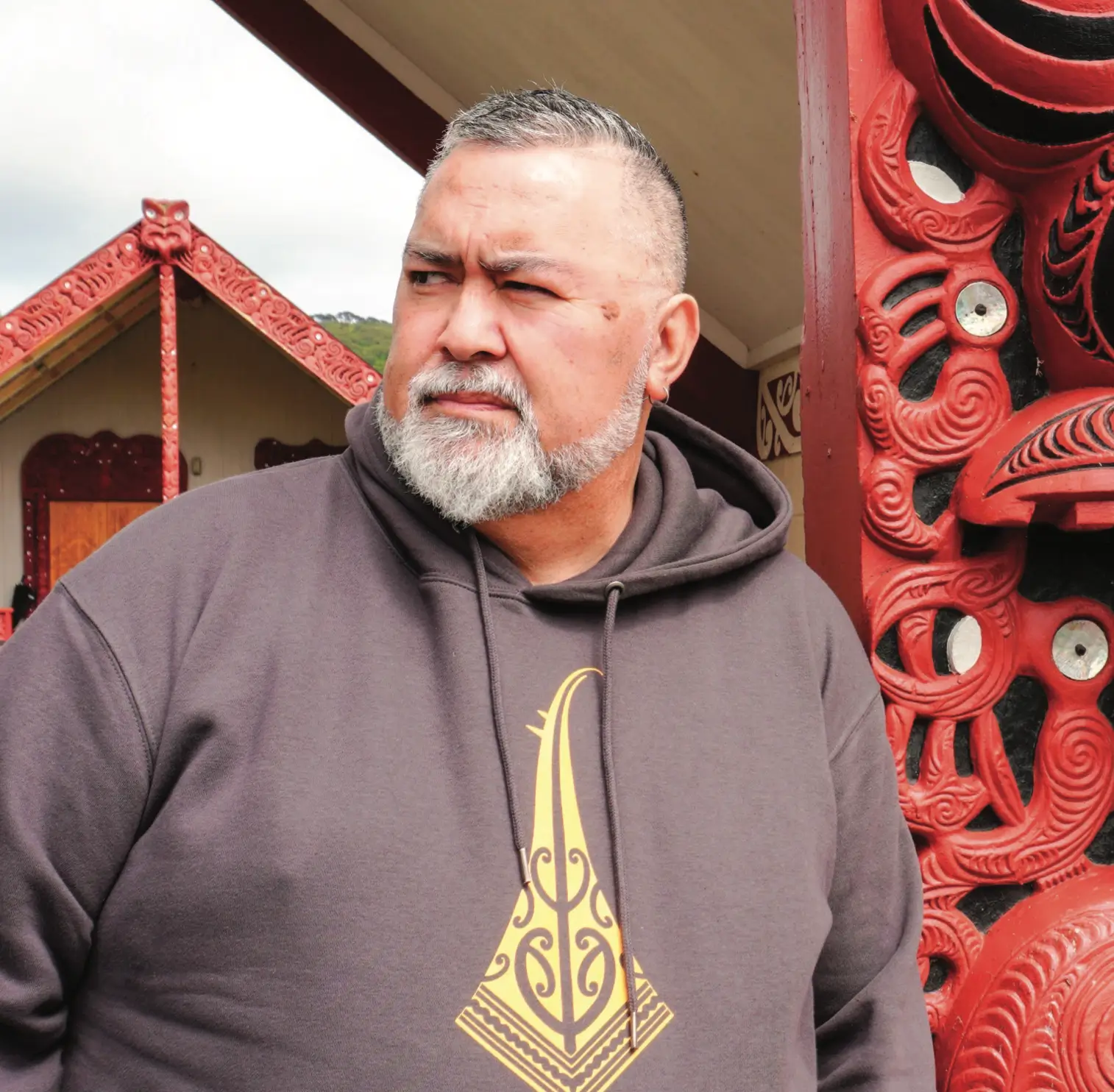
New kaupapa places whānau Māori voice at the centre of Stroke and Gout research
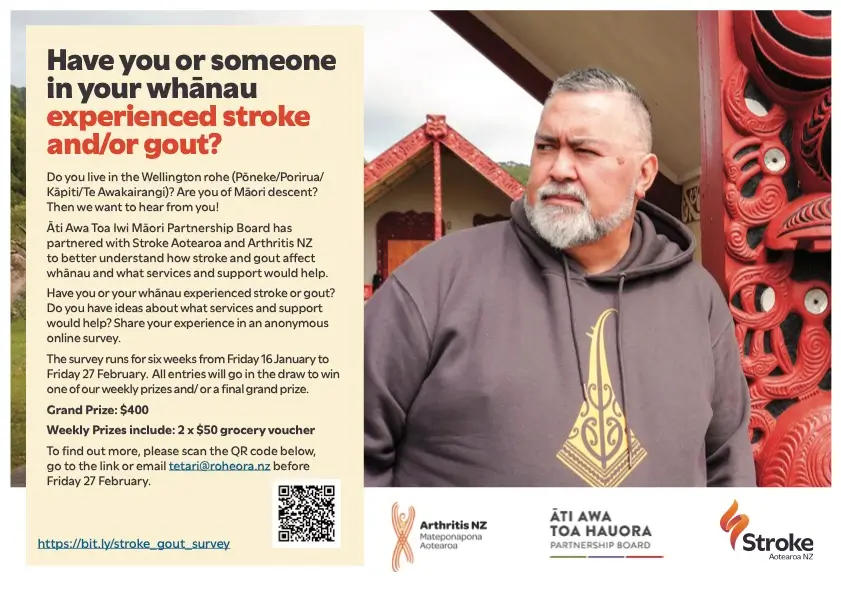
The Āti Awa Toa Hauora Partnership Board has today launched a new research kaupapa focused on the experiences of whānau Māori affected by stroke and gout across the Wellington rohe.
Developed in partnership with Stroke Aotearoa and Arthritis New Zealand (Mateponapona Aotearoa), the research seeks to better understand how these long-term conditions impact whānau Māori – whether through personal experience or within the wider whānau.
A QR-code survey launched today invites whānau Māori to share lived experiences, challenges, and ideas for the kinds of services and supports that would make a real difference for them. The kaupapa has been developed collaboratively by researchers from all three organisations, with oversight from clinical experts.
Stroke and Gout disproportionately affect whānau Māori in the Wellington rohe, yet services are often fragmented and condition specific. This research aims to elevate whānau voice to inform more joined-up, community-based models of support that reflect the realities of whānau lives.
“Across all three organisations, a clear message has emerged – whānau voice must be heard, seen, and centred if we are to achieve better health outcomes,” says Hikitia Ropata, Āti Awa Toa Hauora Partnership Board’s Manahautū.
The launch aligns with Maurea in the Maramataka, a time associated with physical wellbeing and strengthening the body, reinforcing the kaupapa’s focus on long-term hauora.
Health providers, community organisations, and partners across the rohe are encouraged to share the survey with whānau Māori who may wish to participate, including through staff networks, clinical teams, and waiting areas.
A poster promoting the survey is available for use and sharing.
ENDS
For more information please contact:
Christine Ammunson Christine.ammunson@roheora.nz or 0274457333
Āti Awa Toa Hauora Partnership Board opposes moves to push vaping on Māori providers as rangatahi harm escalates
Āti Awa Toa Hauora Partnership Board opposes moves to push vaping on Māori providers as rangatahi harm escalates
The Āti Awa Toa Hauora Partnership Board is condemning moves to pressure Māori health providers into supplying vaping products as part of quit-smoking services, warning that it puts whānau health at risk and undermines kaupapa Māori approaches to hauora.
The board stands alongside Takiri Mai te Ata Trust, following Whatu Ora’s announcement threatening to end the trust’s smokefree contract if they don’t supply vaping devices.
“We fully support the Trust’s work to help whānau quit smoking in ways that are safe, sustainable, and aligned with their oranga values and kaupapa. Encouraging young people to remain addicted to nicotine is not a kaupapa we support,” said board Manahautū, Hikitia Ropata.
The board’s recently released Whānau Voice report showed whānau across the region were deeply concerned about the impact vaping was having on young people.
Takiri Mai te Ata Trust has supported whānau across Wellington, Porirua and Te Awa Kairangi for decades through culturally grounded stop-smoking programmes. The Trust has declined to distribute vaping products, citing concerns about nicotine addiction, rangatahi harm, and the normalisation of vaping in community and marae settings.
Ms Ropata says the reality on the ground and across communities is already clear.
“Our rangatahi are not quitting smoking and switching to vaping – most are starting out as vapers and have never smoked. Vapes are cheaper than cigarettes.”
Recent data shows that the highest vaping rates in Aotearoa are now among 14-year-old Māori girls.
“This is not harm reduction. This is government support for addiction.”
Ms Ropata says the Whaitua geo-mapping tool shows us vaping products are heavily concentrated in lower-income communities, with vape shops found close to kura and schools, making nicotine addiction highly visible and accessible to young people.
“Normalising vaping in our communities means siding with tobacco companies over our most vulnerable whānau, our tamariki and rangatahi.”
The Board is calling on the Government to work in partnership with providers, not against them.
“Māori health providers must be trusted to exercise kaupapa-based judgement informed by whānau voices.”
Whaitua Geo-Mapping Tool: https://reports.hqsc.govt.nz/
Whānau Voice Report: https://atiawatoaimpb.nz
For more information contact Christine Ammunson 0274457333 or christine.ammunson@roheora.nz