
Whānau Voice Grant
Guidelines & Criteria
Whānau Voice Grant
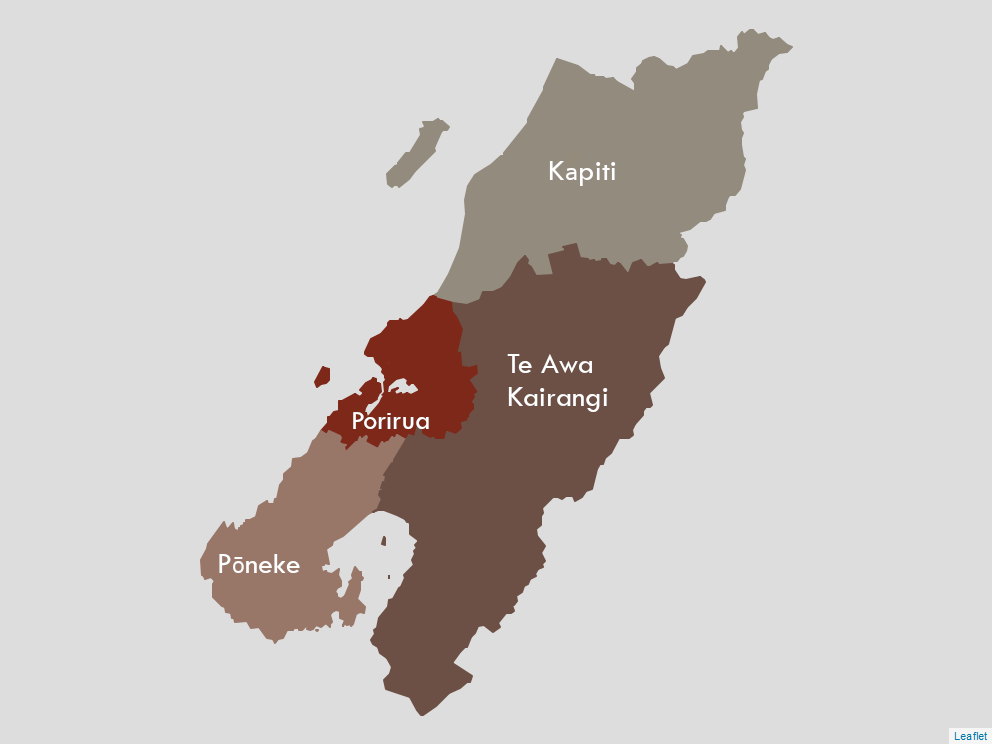
We have 4 x Whānau Voice Grants of $5,000 each to support kaupapa Māori-led initiatives that elevate whānau voice in health and wellbeing in the Āti Awa Toa Hauora Partnership Board region.
Opening Date: Monday, 30 March 2026, 9 AM
Closing Date (online): Monday, 4 May 2026, 11:59 PM
Closing Date (post/in-person): Monday, 4 May 2026, 4 PM
All applicants will be contacted on Friday, 18 May 2026, with the outcome of their Whānau Voice Grant applications.
Project Start/Completion dates must fall within: 1 June 2026 – 16 October 2026
PLEASE EMAIL APPLICATIONS TO: grants@atiawatoaimpb.nz
Purpose
The Whānau Voice Grants Project aims to elevate the lived experiences, aspirations, and solutions of whānau Māori living in the rohe boundaries of Āti Awa Toa Hauora Partnership Board. The purpose of the grant is to resource whānau, hapū, iwi, and kaupapa Māori entities to capture, elevate, and share whānau voice in meaningful ways, ensuring hauora decision-makers are guided by the aspirations and lived experiences of whānau Māori.
The health system does not reflect tangata whenua oranga realities, values, or aspirations. Despite numerous national strategies and investments, Māori continue to face persistent barriers in hauora access, cultural safety, and system responsiveness. There is a pressing need to ensure health planning and service delivery are informed directly by whānau voices, especially those who are often unheard or under-served.
Our Whānau Voice Grants respond to this need by empowering whānau to lead their own processes of engagement, storytelling, research, wānanga, and creative expression. Rather than being consulted as stakeholders, whānau are recognised as knowledge holders and decision-shapers.
Our grants are about elevating insight, tikanga, and lived experience as evidence to influence the design of future health and wellbeing systems. It builds the foundation for our oranga and wellbeing that is relational, mana-enhancing, and co-designed with those it serves. Through our grants, we will demonstrate our commitment to building a health and wellbeing system where whānau voice is not an afterthought, but a catalyst for systemic transformation.
Objectives

Generate
Generate whānau-led insights to influence hauora outcomes locally

Identify
Identify barriers and enablers to achieving wellbeing for whānau

Support
Support creative and culturally grounded expression of whānau voice

Share
Share whānau aspirations for better health and wellbeing outcomes

Amplify
Amplify the lived experiences of whānau in relation to hauora as advocacy for system change

Capability
To support iwi, hapū and whānau capability uplift of data collection, analysis and potential ways to use findings
Who Can Apply
Applications will be open to whānau, hapū, marae, organisations, or iwi-affiliated entities — with or without a formal structure:
- For whānau without an umbrella organisation, projects will be led and managed by individual whānau, with Āti Awa Toa Hauora Partnership Board paying invoices on their behalf.
- For whānau with an umbrella organisation, that legal entity will manage the funds on their behalf.
- Legal entities – as registered organisations, they would apply in their own capacity.
To be eligible, applicants must also:
- Show that their approach aligns with mātauranga Māori and tikanga Māori
- Have the capability and capacity to deliver the project within the agreed timeframe.
- Commit to ethical engagement, informed consent, and safe data practices (confidentiality and data protection protocol).
- Agree to permit Āti Awa Toa Hauora Partnership Board to use the agreed information provided to them through the funded research – including quotes, photographs, and related materials – for work-related purposes such as promotion, social media, reporting, and publications.
Funding Priorities
This first round of Whānau Voice grants has a specific focus on four major long-term (chronic health) conditions: heart disease, diabetes, obesity, and cancer. These conditions disproportionately impact Māori in our region and contribute to preventable illness, premature mortality, and inequities in access to care.
Rather than focusing solely on clinical indicators, this kaupapa centres on the voices of whānau and their journey through prevention, diagnosis, treatment, recovery, and long-term management. We aim to understand how these conditions affect whānau physically, emotionally, spiritually, socially, and economically, while enabling whānau to identify key barriers and enablers to achieving hauora.
The insights gathered here will help inform our advocacy for future health planning, service design, and investment decisions to ensure they are culturally grounded, equitable, and responsive to the realities for whānau Māori living in our rohe.
Four funding priority areas

1. Heart Disease/ Manawa Toto Pūroto
Heart disease remains one of the leading causes of preventable death in our country.
Heart disease is a group of conditions that includes coronary heart disease, arrhythmias, heart failure and valve disease. For many whānau, heart conditions are experienced not only as medical events, but as life-altering journeys affecting the entire whānau system.
Within scope, we encourage whānau to explore:
- Their understanding of heart health and cardiovascular risk
- Experiences of screening, diagnosis, hospital care, and follow-up
- Barriers to accessing timely and culturally safe care
- Impacts on their whānau wellbeing, finances, roles, and responsibilities
- Whānau-led prevention and management strategies
We want you to explore issues of delayed diagnosis, fragmented care pathways, and inequities in access to specialist services.

2. Cancer | Mate Pukupuku
Cancer continues to significantly impact whānau Māori in our rohe, with inequities evident in screening, early detection, treatment access, and outcomes.
Within scope, we encourage whānau to explore:
- Awareness and uptake of screening (breast, cervical, bowel, prostate, where relevant)
- Experiences of diagnosis, treatment, survivorship, or palliative journeys
- Cultural safety within oncology and specialist care settings
- The emotional, spiritual and whānau impacts of cancer
- Practical barriers such as travel, cost, time off work, and accommodation
We want you to explore how whānau experience continuity of care and the supports required before, during, and after treatment.

3. Obesity | Matarahi Tamariki me Pākeke
Obesity is one of New Zealand’s most significant public health challenges, often stigmatised as a behavioural issue to be managed through different lifestyle choices.
Obesity has strong links to diabetes, heart disease and cancer and has overtaken smoking as the leading risk factor for death and disability in Aotearoa, New Zealand.
Within scope, we encourage whānau to explore:
- Whānau experiences of obesity, including challenges faced
- Access to primary care, monitoring, medication, and specialist services
- Challenges of day-to-day management (kai, costs, transport, lifestyle demands)
- The emotional, spiritual, and whānau impacts of addressing obesity
- Whānau strengths and collective strategies for prevention and maintenance
- Experiences of interventions that have been successful at supporting change
- Culturally safe approaches to support change
We want you to explore whānau experiences, identifying barriers and opportunities for change. Obesity has overtaken smoking as the leading risk factor for death and disability.

4. Diabetes | Matehuka
Diabetes is highly prevalent and closely linked to cardiovascular disease and other complications. It requires ongoing management and sustained support, making whānau environments critical to successful outcomes.
Within scope, we encourage whānau to explore:
- Experiences of diagnosis and education around diabetes
- Access to primary care, monitoring, medication, and specialist services
- Challenges of day-to-day management (kai, cost, transport, lifestyle demands)
- Intergenerational impacts and whānau knowledge of hereditary risk
- Whānau strengths and collective strategies for prevention and maintenance
We want you to explore how whānau navigate self-management within real-world constraints, including financial pressure and competing responsibilities.
A key health priority for Āti Awa Toa Hauora Partnership Board is increased prevention of these conditions, as well as more community-based management options. Currently, significant health inequities exist for Māori in our rohe across all these conditions.
Additional weighting will be given to projects that elevate the voices of:
- kaumātua,
- rangatahi,
- tāngata whaikaha,
- or groups/communities whose health needs are under-served or whose voices are less often heard.
Subject to the successful outcome of the first round, the Āti Awa Toa Hauora Partnership Board plans to run a further round focused on another health priority area for our rohe later this year
Appropriate and Inappropriate Use of Funds
If applicants are unsure about whether a certain activity meets the eligibility criteria, they can contact us for guidance.

Eligible activities for which funds can be used include:
- Hui, wānanga or focus groups
- One-on-one kōrero, group interviews or surveys (e.g., audio, video, written)
- Venue hire, kai, transport, koha for facilitators and contributors
- Digital tools or platforms for engagement and content creation (e.g., video, art, podcasts, digital storytelling)
- Costs associated with collating, editing, and presenting whānau voices

Purposes for which these funds cannot be used include the following:
- International travel or unrelated domestic travel
- Retrospective costs (for completed activities)
- Purchase of capital assets and equipment
- Alcohol, tobacco, personal expenses, debt repayment, gambling or non-project-related expenses
- Salaries, consultancy, or professional project management costs
- Medical bills
- Legal costs
- Commercial ventures or fundraising activities
- Political advocacy or campaigning
Assessment Process, Criteria and Points Allocation
Applications will be evaluated by an assessment panel comprising four members: an Ethics Komiti member, two external advisors and our Pou Rangahau, who will make recommendations to the Manahautū for sign off.
Applications will be scored out of 100. Those receiving the highest overall scores will be considered for funding. The panel will make funding recommendations, including the level of each funding grant, to the Manahautū for final decision/endorsement. Decisions made will be considered full and final.
The panel will use a well-known Health Research Council scoring criteria model, slightly modified to suit our purpose.
The criterion for assessment is outlined in the table below:
| Score | Criteria Descriptor |
|---|---|
| 7 | Exceptional |
| 6 | Excellent |
| 5 | Very Good |
| 4 | Good |
| 3 | Adequate |
| 2 | Unsatisfactory |
| 1 | Poor |
| Criteria | Points | % Score |
|---|---|---|
| Alignment with Purpose and Priorities | 7 | 20 |
| Whānau Leadership and Cultural Integrity | 7 | 20 |
| Project Design, Feasibility and Budget Appropriateness | 7 | 20 |
| Innovation and Impact | 7 | 20 |
| Ethical Practice | 7 | 20 |
| Total | 35 | 100 |
Checklist
To help ensure a seamless application process, we’ve provided a list of items so you may prepare them in advance. Please select a category to view a list of required and optional documents to upload to your application.
- Project Budget (Excel spreadsheet) detailing how the funds will support your work. Include key items such as materials, resources, travel, facilitation, or other relevant expenses.
- Quotes (optional)
- Project plans (optional)
- Letters of support (optional)
- Images (optional)
- Letter of support from legal entity stating they agree to umbrella the initiative
- Legal Entity Certificate
- Proof of Bank Account (of legal entity)
- Most recent annual financial report (of legal entity) to confirm eligibility as a Tier 4 not-for-profit organisation.
- Project Budget detailing how the funds will support your work. Please outline whether you have also applied for funding from other sources.
- Quotes (optional)
- Project plans (optional)
- Other letters of support (optional)
- Images (optional)
- Legal Entity Certificate
- Proof of Bank Account (of legal entity)
- Most recent annual financial report (of legal entity) to confirm eligibility as a Tier 4 not-for-profit organisation.
- Project Budget detailing how the funds will support your work. Please outline whether you have also applied for funding from other sources.
- Quotes (optional)
- Project plans (optional)
- Other letters of support (optional)
- Images (optional)

Process
1.
Apply
Please complete the online grant application form, attach all required documents, and submit it by the due date.
2.
Confirm
You will receive an email confirming your submission and an overview of the next steps.
3.
Review
Your application will be checked against eligibility criteria. We may contact you for more information.
4.
Agreement
You will be notified by email if your application is approved/declined. Successful applicants will receive grant details.
5.
Outcome
Sign the grant agreement. Once signed, funding will be released in phases and linked to milestones.
Still have questions about how the Whānau Voice Grant works or what to include in your application?
Visit our Whānau Voice Grant – Frequently Asked Questions page for helpful answers and tips. It covers everything from eligibility and funding limits to what happens after your application is submitted.
FAQs
The Whānau Voice Grant is a new community fund launched by Āti Awa Toa Hauora Partnership Board. It helps whānau share their lived experiences, stories, and ideas to improve health and wellbeing in their communities.
It’s about listening to whānau voices and supporting ideas that can help shape the future of the health system.
What is the Whānau Voice Grant?
The Whānau Voice Grant is a new community fund launched by Āti Awa Toa Hauora Partnership Board. It helps whānau share their lived experiences, stories, and ideas to improve health and wellbeing in their communities.
It’s about listening to whānau voices and supporting ideas that can help shape the future of the health system.
Who can apply?
The grant is open to whānau, hapū, iwi, marae, and community groups from across the Āti Awa Toa Hauora Partnership Board rohe. You don’t need to be part of an organisation as long as your kaupapa is whānau-led and focused on health and wellbeing, you can apply.
Each whānau, hapū, or group can submit one application per funding round.
Can legal entities apply for the Whānau Voice Grant?
Yes. Legal entities are eligible to apply, provided they do not have public accountability and have annual revenue of less than $140,000. This threshold helps ensure the fund supports smaller organisations and community-led initiatives that may not otherwise have access to significant funding streams.
Legal entities will need to upload their most recent annual financial report or performance report to verify their annual revenue.
Annual revenue refers to the total revenue made by the organisation during the financial year (excluding capital purchases such as equipment or assets).
Can I use this funding for activities that are already part of my organisation’s normal operations?
No. Funding cannot be used to support activities that are already funded through existing contracts or are considered part of an organisation’s Business As Usual (BAU) operations. This includes standard service delivery, core operational costs, or activities already resourced through other funding streams.
The Whānau Voice Grant is intended to support new, additional, or expanded kaupapa that align with the purpose and priorities of the fund. Projects must demonstrate added value beyond existing funded work.
If you are unsure whether your proposal would be considered BAU, please contact us before submitting your application.
How much funding is available?
There is a total of $20,000 available in this funding round.
Four projects will each receive up to $5,000 to bring their ideas to life.
Why are there only 4 grants of up to $5,000 available?
Fewer available grants allow to us place energy and focus on capability building, supporting and growing the skills of our applicants. Instead of just giving out funding, we want to walk alongside whānau and community groups — helping build confidence in areas of planning projects, budgeting, and sharing your impact stories.
We want all applicants to feel ready and able to take up future funding opportunities. This approach is about setting whānau up for long-term success, so your ideas and Kaupapa can grow strong and continue to make a difference in our communities.
What types of projects can be funded?
We’re looking for projects that capture whānau voices and experiences to help inform health planning and decision-making.
Examples include:
- Hui or wānanga where whānau share stories about health experiences
Workshops, interviews, or surveys to gather ideas - Creative storytelling through art, film, photography, or digital media
- Research or storytelling projects led by whānau
The grant is not for delivering health services — it’s for gathering insights and ideas that help shape better outcomes.
What health areas can my project focus on?
You can choose what matters most to your whānau. Some examples are:
- Heart Disease
- Cancer
- Obesity
- Diabetes
When do applications open and close?
Opening Date: Monday, 30 March 2026, 9 AM
Closing Date (online): Monday, 4 May 2026, 11:59 PM
Closing Date (post/in-person): Monday, 4 May 2026, 4 PM
Applicants will be notified by Monday, 18th May 2026
How do I apply?
You can begin an online application by visiting our guidelines and criteria page or by clicking the Start Application button at the top & bottom of this page.
What is the process?
1. Apply
Please complete the online grant application form, attach all required documents, and submit it by the due date.
2. Confirmation
You will receive an email confirming your submission and an overview of the next steps.
3. Review
Your application will be checked against eligibility criteria. We may contact you for more information.
4. Agreement
You will be notified by email if your application is approved/declined. Successful applicants will receive grant details.
5. Outcome
Sign the grant agreement. Once signed, funding will be released in phases and linked to milestones.
What if I need help with my application?
If you have any pātai or need support filling in the form, reach out to our team. We’re here to help make the process easy for everyone. Please email grants@atiawatoaimpb.nz with any questions you may have.
How will the applications be assessed?
All applications will be reviewed by a selection panel. Projects will be assessed on:
- Alignment with Purpose and Priorities
- Whānau Leadership and Cultural Integrity
- Project Design, Feasibility and Budget Appropriateness
- Innovation and Impact
- Ethical Practice
Please visit the Assessment Criteria and Points Allocation Table for further detail.
When will funding be paid?
Successful applicants will receive funding in phases which will be linked to project milestones.
Will photos, videos, or stories from my project be shared publicly?
Stories, photos, and videos created through your project help us celebrate and share the amazing mahi happening across our whānau and communities. Āti Awa Toa Hauora Partnership Board may use this content in public communications, social media, or reporting to our funders and stakeholders.
What will I be responsible for?
All grant recipients will be required to:
- Deliver the kaupapa as outlined in the application
- Adhere to kaupapa Māori principles of ethical engagement, care, and consent
- Maintain clear and transparent financial records
- Submit a final report within four weeks of project completion. This must outline any key insights, quotes, or themes from whānau and budget reconciliation, with copies of receipts
- Provide names and roles of project leads and participants (where consented)
- Provide visual or creative content (if applicable) e.g., short film, artwork, social media posts, or other creative outputs
- Provide signed media consent/waiver forms for any publicly shared material
Can I apply for funding if my project is part of my PhD study?
Yes. Funding may be used to support kaupapa that form part of a PhD study, provided the project clearly aligns with the purpose and priorities of the Whānau Voice Grant.
Your research must meaningfully gather and uplift whānau voice within Āti Awa Toa Hauora Partnership Board region and demonstrate direct benefit to whānau in our rohe. Academic research alone is not sufficient — the kaupapa must contribute to community wellbeing outcomes.
If I am successful, can I change my kaupapa after approval?
Applications are assessed and approved based on the specific kaupapa outlined in your proposal. Funding is allocated on that basis.
If circumstances arise that significantly impact your project, you must contact us to discuss the situation before making any changes. Any variation to scope, objectives, or delivery must receive written approval.
Can I conduct my project outside of the Āti Awa Toa Hauora Partnership Board region?
Funding must be used for activities that take place within Āti Awa Toa Hauora Partnership Board region. The purpose of the grant is to strengthen whānau voice within our rohe and support kaupapa that directly serve our local communities.
Can I interview whānau who whakapapa to Ngāti Toa or Te Āti Awa but live outside of the Āti Awa Toa Hauora Partnership Board region?
While we acknowledge the importance of whakapapa connections, this grant is specifically focused on gathering whānau voice from Māori who access health services within the Āti Awa Toa Hauora Partnership Board region.
Projects must centre on whānau within the rohe to ensure the funding aligns with our mandate and regional priorities.
If our project is supported by a legal entity (willing to umbrella our project), what documentation must that organisation provide?
If your project is being supported or administered by an umbrella organisation, that organisation must have an annual revenue of less than $140,000 and not have public accountability. This ensures the fund supports smaller, community-led initiatives that may not otherwise have access to significant funding streams.
The legal entity supporting your project must provide the following documents:
- A letter of support (on letterhead or email) confirming they agree to umbrella and administer your project
- Bank account verification (e.g. deposit slip or bank confirmation)
- A copy of their legal entity registration certificate
- Their most recent annual financial report or performance report to verify their annual revenue is less than $140,000
*Annual revenue refers to the total revenue made by the organisation during the financial year (excluding capital purchases such as equipment or assets).
What dates will I need to start and finish my project?
The project period is 02 June 2026 with the final report due 16 October 2026.
Please note that while these are the official project delivery dates, planning and preparation can begin once the funding agreement has been signed (expected late-May).
If you can’t find the answer you’re looking for, we’re here to help!
Please email your question to grants@atiawatoaimpb.nz, and a member of our team will get back to you as soon as possible. We encourage you to reach out early so we can support you in preparing your application.